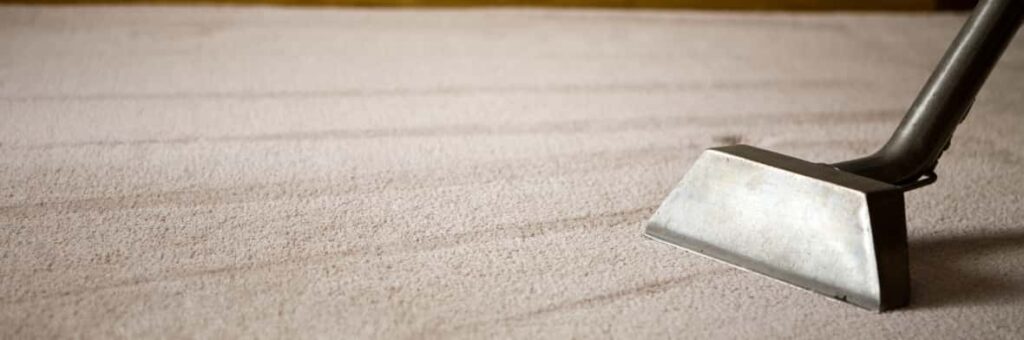
Regular vacuuming helps remove visible debris from household carpets, but it is easy to concentrate on the open areas that are simplest to reach. Dust, hair, grit and spill residues can remain in less accessible places, gradually making the carpet look uneven or feel less fresh.
For households in Belsize Park, Greater London, identifying these frequently missed areas can support more thorough routine care and help determine when professional carpet cleaning would be beneficial.
Carpeted Areas That Are Commonly Missed During Cleaning
A carpet should be considered as one continuous surface rather than a collection of visible walkways. Edges, corners and areas beneath furniture can collect substantial amounts of debris even when they appear relatively clean.
Along Skirting Boards
Standard vacuum heads do not always reach the narrow strip where the carpet meets the skirting board. Fine dust and fibres can settle into this gap and become increasingly noticeable over time.
Using a crevice tool can improve routine cleaning in this area. During professional cleaning, careful edge work helps create a more consistent finish across the room.
Beneath Sofas and Armchairs
Large furniture can conceal dust, crumbs, pet hair and small spillages. Although the carpet beneath may receive little foot traffic, debris can still be carried underneath by airflow and everyday activity.
Moving suitable furniture occasionally allows the hidden carpet to be vacuumed and inspected. This also provides an opportunity to identify old marks before they become more difficult to assess.
Around Furniture Legs
Carpet immediately beside furniture legs is often missed because the main vacuum head cannot pass close enough. Dust can build up around the base, while spills may spread beneath the furniture without being fully visible.
Detailed cleaning around each leg reduces visible lines and helps prevent isolated dirty patches from remaining after the rest of the room has been cleaned.
Behind Doors
When a door is open, it covers part of the carpet and prevents that section from being vacuumed. Dust and hair can collect along the wall, around the door stop and near the hinges.
Closing the door during cleaning reveals the complete area. This small change can make a noticeable difference, particularly in frequently used rooms.
Room Corners
Corners receive less direct foot traffic, but they often collect light debris that is pushed outwards during vacuuming. A standard floor head may leave a narrow triangular area untouched.
A crevice attachment is more effective for reaching into the corner and along both adjoining edges. Professional equipment can then clean the fibres without leaving a visible border.
Stair Edges and Risers
Stair carpets contain several areas that are difficult to reach, including the edges, vertical risers and the junction beneath each tread. Routine cleaning often focuses on the centre where wear is most obvious.
Dust can remain along the sides and within the angles of each step. Cleaning these areas carefully helps the staircase look more consistent from top to bottom.
Doorways and Thresholds
Doorways are high-traffic areas where dirt can become embedded through repeated footfall. The narrow strip beneath an open door may also be overlooked during routine vacuuming.
Changes between carpeted rooms and other floor surfaces require particular attention. Grit collected around the threshold can be transferred further into the carpet whenever people walk through.
Under Beds
Carpet beneath a bed can hold large amounts of dust, fibres and lost items. Low frames and stored belongings often make this area inconvenient to clean.
Where access allows, using an appropriate vacuum attachment can prevent long-term accumulation. During a deeper clean, movable beds and storage items may need to be considered as part of the room preparation.
Beside Wardrobes and Cabinets
Heavy furniture is not always suitable for regular movement, but the carpet immediately around it should still be cleaned. Narrow gaps can trap dust and make the room edges appear darker.
Crevice tools can reach some of these spaces. A professional cleaner can assess which areas are accessible without risking damage to the furniture or carpet.
Under Rugs and Runners
Rugs protect the carpet from direct wear, but fine particles can work through or collect around their edges. The covered carpet may also differ in appearance because it has received less light and foot traffic.
Rugs should be lifted periodically so the surface beneath can be vacuumed. Any marks should be assessed before cleaning products are applied, as fibres and dyes may respond differently.
Around Radiators
The carpet beneath and behind radiators can be difficult to reach with standard equipment. Air movement may carry fine dust into this area, where it settles close to the skirting board.
A narrow attachment can remove loose debris. Care is needed when working around pipes, fittings and delicate carpet edges.
Home Working Areas
Carpet beneath desks and office chairs can collect dust, crumbs and compressed debris. Chair movement may also flatten fibres or create a visibly worn track.
Removing movable items provides better access to the full area. Cleaning should address both the embedded soil and the difference in texture between the working space and the surrounding carpet.
Pet Resting Areas
Pets often use the same sections of carpet repeatedly, including spaces beside furniture or near doors. Hair, tracked-in soil and residue can become concentrated in these areas.
Regular vacuuming with a suitable attachment can help manage loose hair. Professional cleaning may be useful when the fibres retain visible marks or stale odours after routine care.
The Edges of Frequent Walkways
Cleaning often focuses on the centre of a walkway, where soiling is most visible. However, the transition between the used and less-used carpet can develop an uneven appearance.
Cleaning the complete surrounding area helps blend the result. Treating only a narrow dirty strip may leave noticeable differences in colour and texture.
Why Professional Carpet Cleaning Can Help
Professional cleaning begins with an assessment of the carpet fibre, construction, condition and existing marks. This allows the cleaning method to be matched to the material rather than applied uniformly without inspection.
Suitable furniture may be moved or carefully worked around, while edge tools and appropriate equipment provide access to areas missed during ordinary vacuuming. The aim is to clean the carpet consistently without over-wetting or unnecessarily disturbing the fibres.
Conclusion
The most overlooked carpeted areas are often found beside skirting boards, beneath furniture, behind doors, around thresholds and along stair edges. Including these sections in routine care can reduce uneven soiling and reveal marks that need closer attention.
Belsize Park Carpet Cleaning Solutions can assess and clean both the visible and frequently missed areas of your carpets. If your household carpets in Belsize Park, Greater London, need a more thorough clean, contact our team to arrange a professional service.
Call us on: 0203 893 2068
Click here to find out more about Belsize Park Carpet Cleaning Solutions
Click here to complete our contact form and see how we can help with your carpet needs.